
Case Analysis
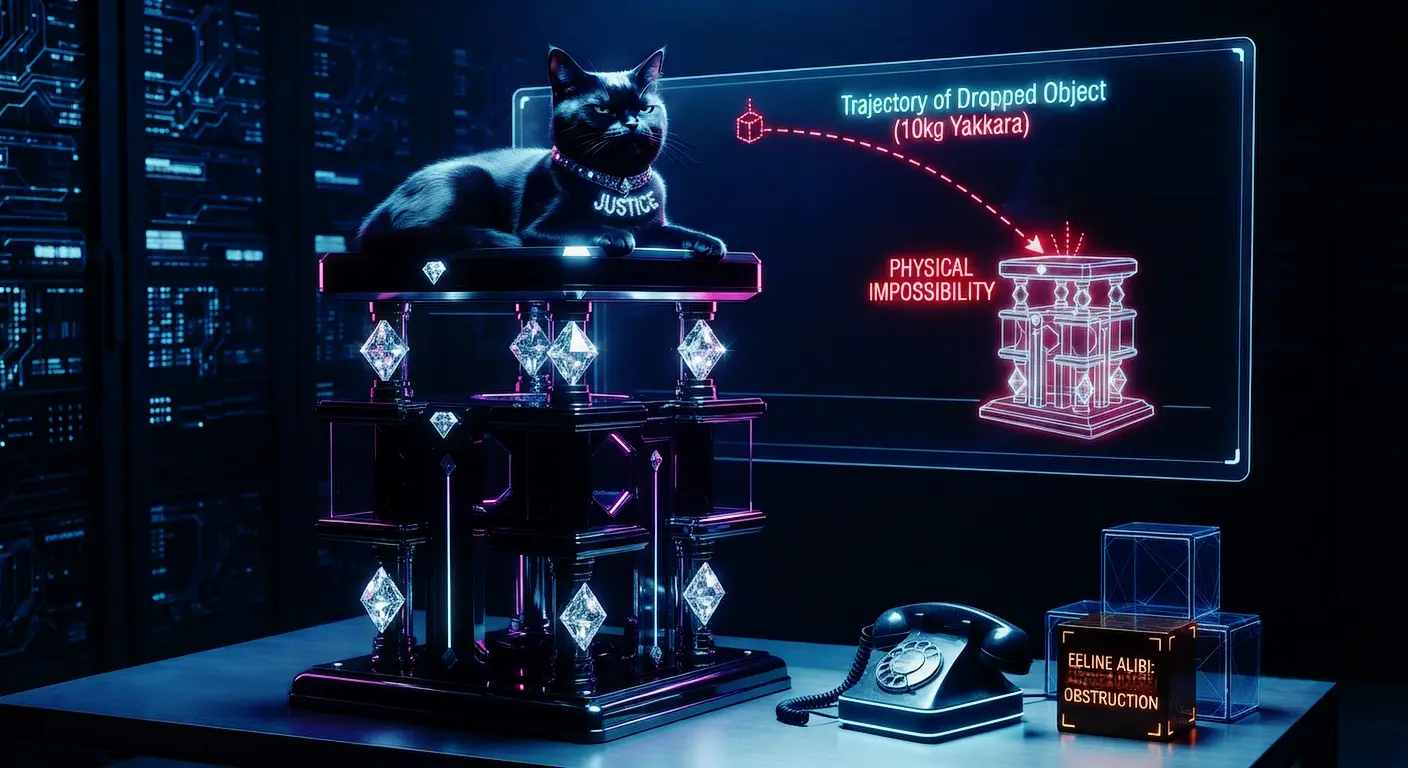
When an investigation mutates behind closed doors, the legal strategy built during the pre-trial phase instantly becomes a liability. Because the defence prepares to fight the original accusations, a sudden pivot in the courtroom leaves critical evidence completely unexamined through the lens of the new, fabricated narrative. This creates a lethal blind spot—one where the prosecution’s own case file contains definitive proof of physical impossibility, yet the defence walks right past it, lulled into a false sense of security by the assumption that the court will naturally recognize the absurdity.
In a system where the evidentiary record is limited, the evidentiary foundation is often remarkably thin. When the police file contains zero forensic analysis, independent expert evaluations, or material evidence – relying instead solely on a meager collection of three photographs taken at the scene – every single pixel becomes a battleground. One specific police photograph, captured minutes after the alleged incident, tells a damning story that completely dismantles the state’s new new account, challenging any purported reliability of evidence.
The prosecution’s updated narrative hinges on the claim that a heavy 10 kg yakkara (or object) was forcefully dropped or thrown from a specific elevated point. However, looking closely at the police crime scene photo reveals an documented physical obstruction:
Why was this glaring physical contradiction missed by the defenсe? The answer lies in the psychological trap of procedure:
This reliance exposes the core vulnerability: reliance on the court to identify the evidentiary issue. When a court is motivated to secure a conviction rather than uncover the truth, a judge will ignore clear photographic proof of physical impossibility, leaving an innocent person trapped by their own naive expectation that the system will correct its own lies, trampling the constitutional presumption of innocence.
When the prosecution introduces a narrative that requires a physical explanation, and the defence is blindsided by a mid-trial shift in accusations, passive observation is a death sentence. To dismantle a case grounded in a physical impossibility and protected by a compromised judiciary, you must deploy aggressive, structural countermeasures:
Forensic Conclusion:
When judges ignore indisputable photographic proof of structural blockades and physical impossibilities to preserve a shifted state narrative, they commit a severe abuse of public office, reducing the trial to a fraudulent exercise in manufactured guilt.
LawBeat Radio
Independent legal media platform focusing on structural judicial monitoring and criminal case analysis. We examine international standards of justice, from the presumption of innocence to the rigorous evaluation of the standard of proof and in dubio pro reo principles.
Legal Disclaimer:
All analytical materials and legal case reviews on this website are published for informational and educational purposes only under freedom of expression. Content does not constitute professional legal advice.
© 2026 LawBeatRadio. All rights reserved.